
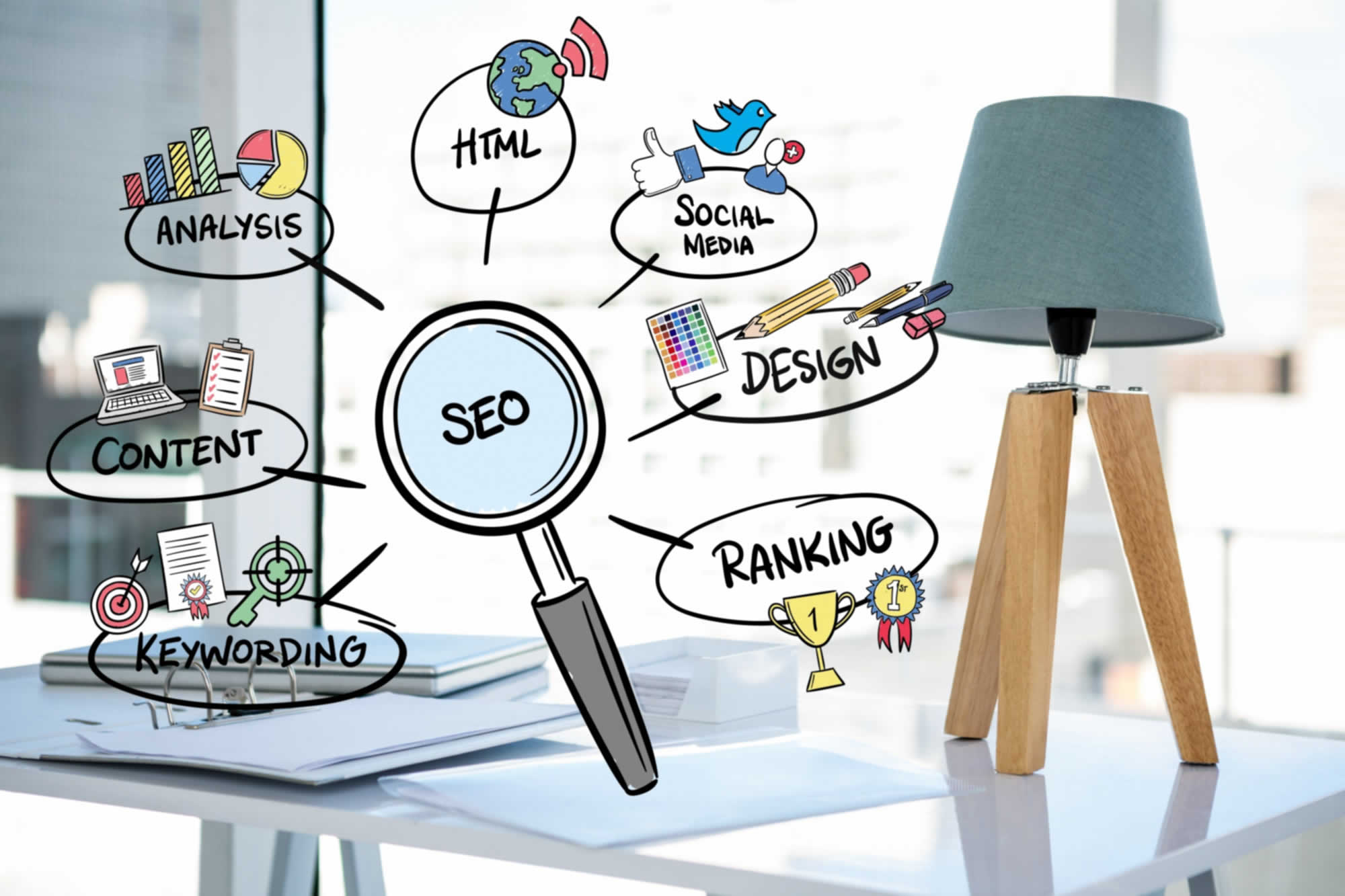
Search engines work in three steps. They crawl the web with automated programs to discover pages, index what each page is about, and rank the indexed pages for every search. They rank by relevance, quality, usability and the searcher’s location. If your page is not crawled and indexed, it cannot rank, however good it looks.
In Ghana, “search engine” mostly means Google. In October 2026 Google handled 97.52% of searches in Ghana, with Bing on 2.13% (StatCounter). So this guide follows how Google describes its own system (Google Search Central, How Search works), in plain language, with what each step means for your business website.
Step 1: Crawling, or how Google finds your pages
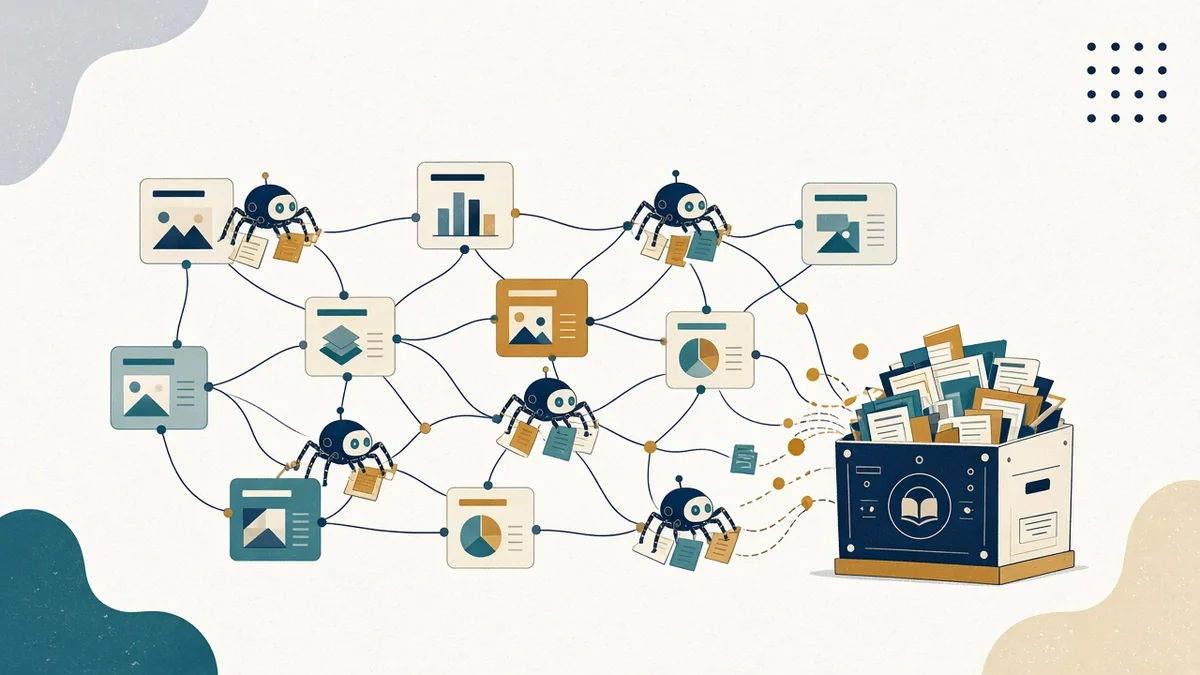 Google uses a program called Googlebot to fetch pages from the web. It finds new pages mainly by following links from pages it already knows and by reading sitemaps, which are files listing the pages on your site (Google).
What stops crawling:
- No links point to the page. A page that is not linked from your menu, your other pages or anywhere else is hard to find.
- The site blocks Googlebot. A wrong setting in the robots.txt file, or a “discourage search engines” box ticked in WordPress, can hide a whole site.
- The server is slow or down. If your hosting struggles, Google crawls less.
- Login walls. Google cannot see content behind a login.
What to do: create a free Google Search Console account, verify your site and submit your sitemap. It is the only official way to see your site as Google sees it.
Step 2: Indexing, or how Google understands your pages
After fetching a page, Google tries to understand it. It reads the text, the title, the headings, image alt text and structured data, and works out what the page is about. It also groups near-identical pages and picks one version to show, called the canonical. Google says plainly that not every page it crawls will be indexed (Google).
Common reasons a Ghanaian business page is not indexed:
- Thin content. A services page with one sentence and a stock photo gives Google little to work with.
- Duplicate pages. The same text on several pages, or on both the www and non-www versions without a redirect.
- Key text inside images. A price list saved as a JPG is invisible as text.
- A “noindex” tag left in place from development.
What to do: in Search Console, open Pages under Indexing. It lists which pages are not indexed and why.
Step 3: Ranking, or how Google decides the order
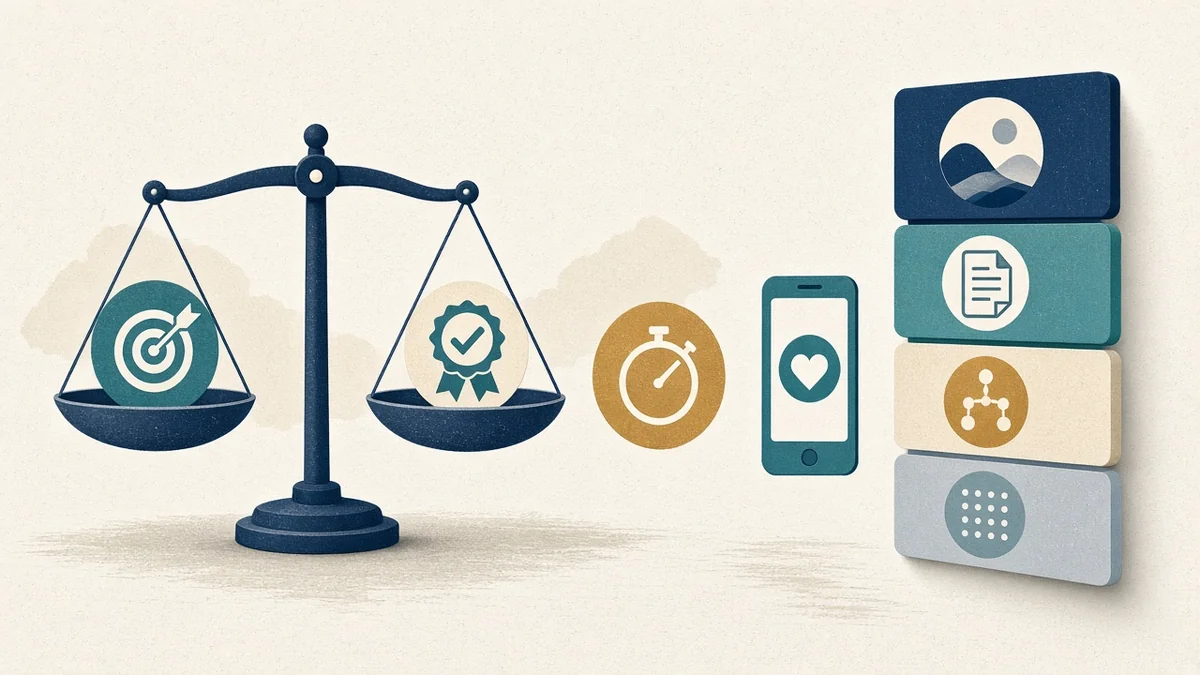 When someone searches, Google looks through its index for the most useful results. It says it considers the meaning of the query, how relevant the content is, its quality, the usability of the page, and context such as the searcher’s location and language (Google).
In practice, for a Ghanaian business that means:
- Relevance: use the words your customers use. If people search “school management software Ghana”, say that, not only “education ERP”.
- Quality: answer the question fully and honestly, with real prices or ranges, real process and real proof. Google’s guidance on helpful, people-first content describes what it looks for.
- Usability: the page must work well on a phone. Google indexes the mobile version of your pages (Google Search Central), and most Ghanaian traffic is mobile (StatCounter).
- Location: for searches like “printer repair near me” or “website designer in Kumasi”, your Google Business Profile and local details matter a great deal.
What this means for a typical Ghana business site
Picture a small logistics company in Tema with a five-page website. Google can crawl it, but the services page says only “We offer world-class logistics solutions”, the rates are in a PDF, and the contact page has no address. Google indexes the pages but has little reason to show them for “haulage company Tema” or “container transport to Kumasi”.
The fix is not a trick. Give each main service its own page, name the places you serve, put prices or price ranges in plain text, add your address and phone number, and link the pages together. Then make sure the Business Profile says the same thing. Each change makes the site easier to crawl, easier to understand and more useful to the person searching, which is exactly what the three steps reward.
Myths that waste money
- “Submit your site to 500 search engines.” Google finds sites itself. Submitting your sitemap in Search Console is all you need.
- “Pay Google to rank higher.” Ads appear in labelled ad slots. Paying for ads does not change organic rankings.
- “Stuff the keyword everywhere.” Repeating a phrase unnaturally can hurt you. Write for the reader.
- “SEO is done once.” Search changes, competitors publish, and your own offer changes. Treat it as ongoing upkeep.
- “Social media likes push rankings.” There is no direct link, though social posts can help people discover and link to your pages.
Local search: the shortcut most Ghana SMEs miss
 For many local businesses, the quickest search win is not the website but the Google Business Profile. It controls how you appear in Google Maps and the local “map pack”. Google says local ranking is based mainly on relevance, distance and prominence (Google Business Profile Help).
To improve it:
- Claim and verify your profile.
- Use the exact business name, phone number and address that appear on your website.
- Pick the right primary category.
- Add real photos and opening hours, and keep them current.
- Ask happy customers for reviews, and reply to all of them.
A 30-minute search health check
- Search
site:yourdomain.comon Google. Roughly how many pages appear? - Search your business name. Is your website first? Is your Business Profile correct?
- Open Search Console and check Pages and Core Web Vitals.
- Run your home page through PageSpeed Insights on the Mobile tab.
- Check that every important page has a unique title and a clear main heading.
If these checks turn up a long list of problems, our guide to whether you need a website redesign will help you choose between repairing and rebuilding.
How PED Solution Studios can help
We build fast, mobile-first websites with technical SEO set up from the start: clean URLs, sitemaps, Search Console, structured data, and pages written around what Ghanaian buyers actually search. Our GH₵4,499 website package includes WhatsApp chat integration, SEO, social media links, and a free domain and hosting for the first year. For software firms, see also SEO for software companies in Ghana.
Frequently asked questions
How long does it take Google to index a new website?
It can take anywhere from a few days to a few weeks. Submitting a sitemap in Search Console and linking to the site from your social profiles helps Google find it sooner.
Do I need to pay to appear on Google?
No. Organic results are free. You pay only if you choose to run Google Ads, and ads do not affect organic rankings.
Which search engine matters most in Ghana?
Google. It had a 97.52% share of searches in Ghana in October 2026 (StatCounter).
Why does my competitor rank above me?
Usually their page is more relevant to the search, more complete, faster on mobile, or better linked, or their Business Profile is stronger locally. Compare the pages side by side honestly.
Is SEO a one-time job?
No. The setup is done once, but content, local listings and technical health need regular attention.
Want to know why Google is ignoring your site?
Book a call or send us a message. We will run the checks above with you and explain what to fix first.